Stone Repointing Techniques and Benefits
When it comes to maintaining the beauty and structural integrity of stone buildings, one essential task often overlooked is repointing. Over time, the mortar between stones can deteriorate due to weather, pollution, and natural wear. This can lead to water ingress, weakening the structure and causing unsightly damage. I’ve found that understanding the right stone repointing techniques and recognising their benefits can make a significant difference in preserving your property’s value and longevity.
Understanding Stone Repointing Techniques
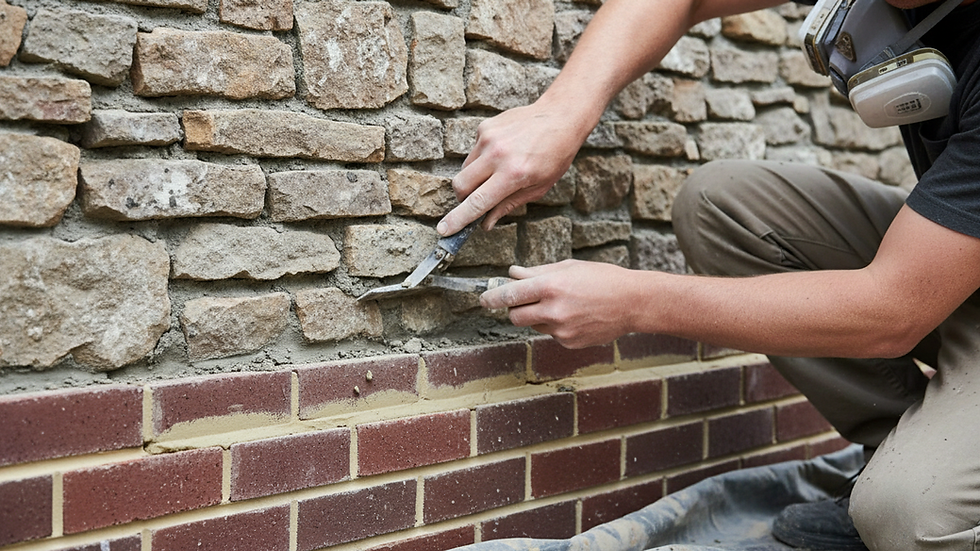
Stone repointing is the process of renewing the external part of mortar joints in masonry construction. It involves carefully removing the old, damaged mortar and replacing it with new mortar that matches the original in composition and appearance. This is crucial because using the wrong type of mortar can cause more harm than good.
There are several techniques to consider:
Raking out the old mortar: This is done using hand tools or specialised grinders to avoid damaging the stone.
Choosing the right mortar mix: Lime-based mortars are often preferred for older buildings because they allow the structure to breathe and move naturally.
Applying the new mortar: The mortar is pressed firmly into the joints, ensuring a tight seal.
Finishing the joints: The mortar is tooled to match the original profile, whether flush, recessed, or weather-struck.
Each step requires precision and care. For example, when raking out mortar, I always recommend avoiding power tools that generate heat, as this can damage the stone surface. Instead, hand tools provide better control and reduce the risk of chipping.
Why Stone Repointing Techniques Matter
Using the correct stone repointing techniques is not just about aesthetics. It’s about protecting your property from long-term damage. When mortar joints fail, water can seep into the walls, leading to dampness, frost damage, and even structural instability.
Here are some key benefits of proper repointing:
Improved weather resistance: New mortar seals gaps, preventing water penetration.
Enhanced structural integrity: Strong joints hold stones firmly in place.
Preservation of historic character: Matching mortar maintains the building’s original look.
Increased property value: Well-maintained stonework is attractive to buyers and tenants.
Reduced maintenance costs: Preventing damage early saves money on major repairs later.
For example, I once worked on a Victorian townhouse where the original lime mortar had eroded. After repointing with a compatible lime mortar, the walls were able to breathe again, reducing internal dampness and preserving the building fabric.
Tools and Materials for Effective Repointing
To achieve the best results, having the right tools and materials is essential. Here’s what I typically use:
Hand chisels and hammers: For carefully removing old mortar.
Mortar boards and mixing tools: To prepare fresh mortar on-site.
Pointing trowels and brushes: For applying and finishing mortar.
Lime-based mortar: Preferred for traditional stonework due to its flexibility and breathability.
Safety equipment: Gloves, goggles, and dust masks to protect during work.
Choosing the right mortar mix is critical. Modern cement-based mortars are harder and less permeable, which can trap moisture and cause stones to crack. Lime mortar, on the other hand, is softer and allows moisture to evaporate, making it ideal for older stone buildings.

How to Identify When Your Stonework Needs Repointing
Knowing when to repoint is just as important as knowing how. Here are some signs to watch for:
Cracked or crumbling mortar joints
Gaps or missing mortar between stones
Water stains or damp patches on interior walls
Loose or shifting stones
Visible erosion or weathering of mortar
If you notice any of these, it’s time to consider repointing. Ignoring these signs can lead to more serious problems like structural damage or mould growth.
I recommend regular inspections, especially after harsh winters or heavy rain. Early intervention can save you significant repair costs and keep your property in excellent condition.
Maintaining Your Stonework After Repointing
Once the repointing is complete, proper maintenance will extend the life of your stonework. Here are some tips:
Keep gutters and downpipes clear: Prevent water from running down walls.
Avoid high-pressure washing: This can erode mortar and stone.
Inspect annually: Look for new cracks or damage.
Address vegetation growth: Remove moss or ivy that can trap moisture.
Use breathable paints or sealants: If necessary, choose products that allow moisture to escape.
By following these steps, you can protect your investment and enjoy the beauty of your stone walls for many years.
If you want to learn more about stone repointing, including professional services available in Manchester and Cheshire, I encourage you to explore expert providers who specialise in this craft. Their expertise ensures your property receives the highest quality workmanship, preserving its charm and strength.
Taking care of your stonework with the right techniques and materials is a smart choice that pays off in durability and appearance. Whether you’re restoring a historic home or maintaining a modern property, repointing is a vital part of long-term care.


I found this blog post quite informative https://en.wikipedia.org/wiki/Web_design The way you've broken down the topic makes it accessible for everyone. It is worth going through relevant information before settling on anything. Thanks for sharing your knowledge!