The Benefits of Lime Mortar Repointing: Enhancing Your Property’s Longevity and Charm
Updated: Sep 7
When it comes to maintaining and restoring older brick or stone buildings, the choice of mortar can make a significant difference. Over time, mortar joints deteriorate due to weathering, moisture, and natural wear. Repointing is essential to preserve the structural integrity and appearance of your property. In this post, I want to share why lime mortar repointing is a superior choice for many restoration projects, especially for homeowners, landlords, and property owners looking to protect and enhance their buildings.
Understanding Lime Mortar Benefits for Your Property
Lime mortar has been used for centuries in traditional building methods. Unlike modern cement-based mortars, lime mortar is made from natural materials such as lime, sand, and water. This composition gives it unique properties that benefit older buildings in particular.
Breathability and Moisture Management
One of the most important benefits of lime mortar is its breathability. Lime mortar allows moisture trapped within walls to evaporate naturally. This prevents damp problems that can cause damage to bricks, stones, and internal plaster.
For example, if you live in a region with frequent rain or high humidity, lime mortar helps your walls "breathe" and reduces the risk of frost damage during colder months. Cement mortars, by contrast, are much less permeable and can trap moisture, leading to spalling bricks and cracked walls.
Flexibility and Movement Accommodation
Older buildings often experience slight movements due to settling or temperature changes. Lime mortar is more flexible than cement mortar, which means it can absorb these movements without cracking. This flexibility helps maintain the integrity of the masonry over time.
If you have a period property or a building with historic value, using lime mortar ensures that the original materials are protected and that the structure remains stable without unnecessary stress.

Close-up view of lime mortar being applied to a brick wall during repointing
Why Choose Lime Mortar Benefits Over Cement Mortar?
Many people are tempted to use cement mortar because it sets quickly and is widely available. However, the long-term benefits of lime mortar far outweigh the short-term convenience of cement.
Compatibility with Historic Materials
Older bricks and stones were designed to work with lime mortar. Cement mortar is much harder and less porous, which can cause damage to softer historic bricks by trapping moisture or causing erosion.
Using lime mortar ensures compatibility with the original materials, preserving the building’s character and preventing costly repairs down the line.
Environmental Advantages
Lime mortar is more environmentally friendly than cement. It requires less energy to produce and absorbs carbon dioxide as it cures, which helps reduce the overall carbon footprint of your restoration project.
For those who want to make sustainable choices in property maintenance, lime mortar is a natural and responsible option.
Longevity and Durability
While lime mortar takes longer to cure, it actually lasts longer in the right conditions. Its ability to self-heal small cracks through carbonation means fewer repairs are needed over time.
This durability translates into better value for money and less disruption to your property in the future.
How Lime Mortar Repointing Works in Practice
Repointing with lime mortar is a skilled process that requires the right materials and techniques. Here’s a brief overview of what to expect:
Assessment - A professional will inspect your property to determine the condition of the existing mortar and bricks.
Removal - Damaged or loose mortar is carefully removed by hand to avoid damaging the bricks or stones.
Mixing - Lime mortar is mixed on-site to the correct consistency, often using traditional recipes tailored to the building.
Application - The mortar is applied in layers, ensuring good adhesion and proper filling of joints.
Curing - Lime mortar cures slowly, often over several weeks, allowing it to harden naturally and bond with the masonry.
This process may take longer than cement repointing, but the results are worth the wait. The building will be stronger, more breathable, and visually authentic.

Eye-level view of a craftsman carefully repointing a stone wall with lime mortar
Practical Tips for Maintaining Your Lime Mortar Walls
Once your lime mortar repointing is complete, there are some simple steps you can take to maintain your walls and prolong their lifespan:
Regular Inspections: Check your walls annually for signs of mortar deterioration or moisture ingress.
Gentle Cleaning: Avoid high-pressure washing or harsh chemicals that can damage lime mortar. Use soft brushes and mild detergents if needed.
Manage Vegetation: Keep plants and vines away from walls to prevent root damage and moisture retention.
Prompt Repairs: Address any cracks or loose mortar as soon as you notice them to prevent further damage.
By following these tips, you can ensure your property remains in excellent condition for years to come.
Enhancing Property Value and Curb Appeal
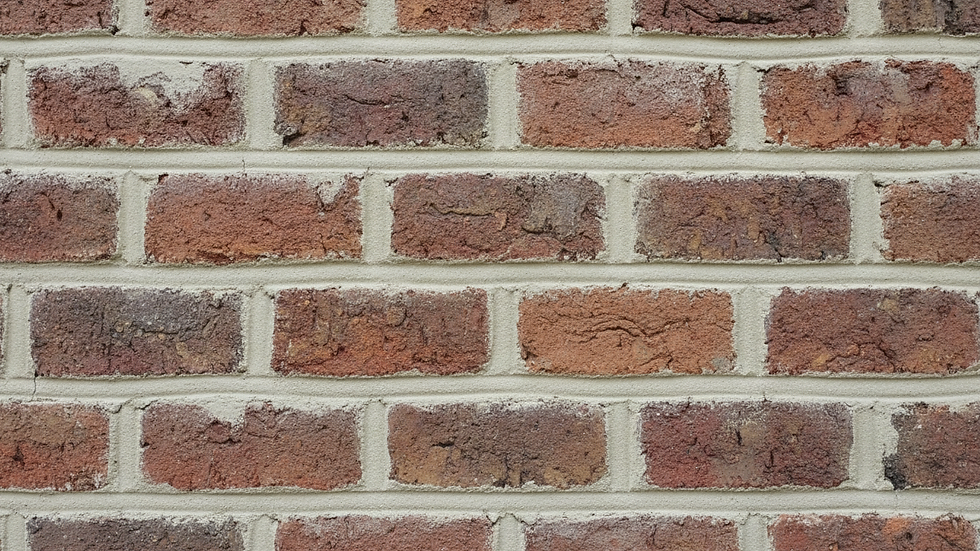
Investing in lime mortar repointing not only protects your building but also enhances its aesthetic appeal. Well-maintained brick or stonework with clean, crisp joints can significantly improve the look of your property.
This improvement can increase market value and attract potential tenants or buyers who appreciate the care taken in preserving the building’s character.
Moreover, lime mortar repointing is often a requirement for listed buildings or properties in conservation areas, ensuring compliance with local regulations and preserving heritage.
Choosing lime mortar repointing is a smart decision for anyone looking to maintain the beauty, strength, and value of their property. Its breathability, flexibility, and compatibility with historic materials make it the ideal choice for restoration projects. By investing in quality workmanship and proper maintenance, you can enjoy the benefits of lime mortar for decades to come.


Comments