Step-by-Step Guide to House Repointing Steps
When it comes to maintaining the structural integrity and aesthetic appeal of your property, one task that often gets overlooked is repointing. Over time, the mortar between bricks or stones can deteriorate, leading to water ingress and potential damage. I’ve learned that repointing is essential for preserving the life of your walls and preventing costly repairs down the line. In this guide, I’ll walk you through the house repointing steps to help you understand the process and decide if it’s something you can tackle or need a professional for.
Understanding House Repointing Steps
Before diving into the actual work, it’s important to understand what repointing involves. Essentially, repointing means removing the old, damaged mortar from between bricks or stones and replacing it with fresh mortar. This restores the wall’s strength and weatherproofing.
Here are the key house repointing steps I follow:
Inspection - Check the condition of the mortar and bricks.
Preparation - Gather tools and materials, and protect surrounding areas.
Removing Old Mortar - Carefully rake out the damaged mortar to a suitable depth.
Cleaning - Brush out dust and debris from the joints.
Mixing Mortar - Prepare the right mortar mix for your wall type.
Applying New Mortar - Fill the joints with fresh mortar, compacting it properly.
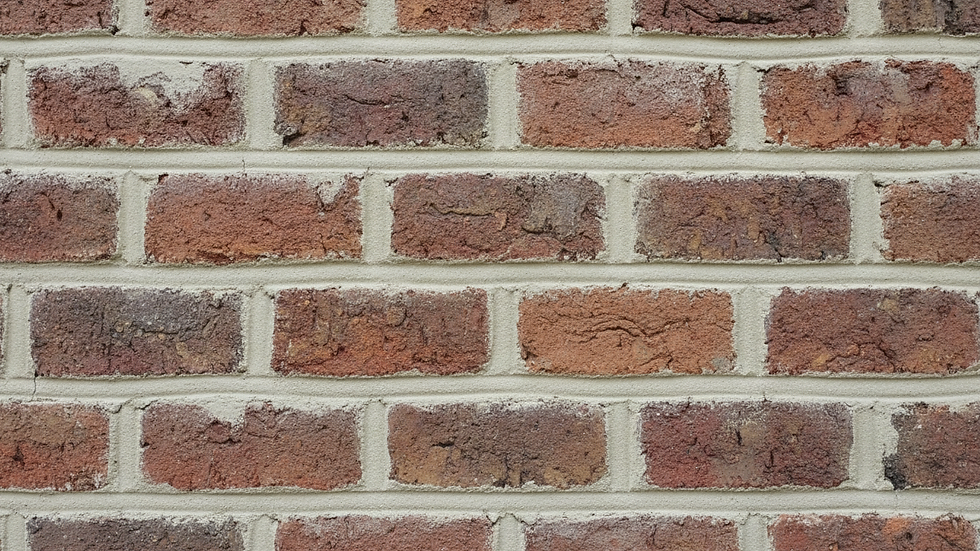
Finishing - Shape and smooth the mortar joints for a neat appearance.
Curing - Allow the mortar to dry and cure correctly.
Each step is crucial to ensure a durable and visually pleasing finish.

Tools and Materials Needed for House Repointing Steps
Having the right tools and materials makes the job much easier and ensures a professional finish. Here’s what I recommend:
Tools:
- Hammer and chisel or an angle grinder with a mortar removal blade
- Pointing trowel
- Wire brush
- Mortar board or mixing bucket
- Soft brush for cleaning
- Safety goggles and gloves
Materials:
- Suitable mortar mix (lime-based for older properties, cement-based for modern)
- Water
- Jointing tool or pointing iron
Choosing the correct mortar is vital. For example, older homes often require lime mortar because it allows the building to breathe and move slightly without cracking. Using cement mortar on such properties can cause damage over time.
Step-by-Step Process of Repointing a House
Now, let’s get into the detailed process. I’ll break down each step with practical tips to help you achieve the best results.
Step 1: Inspect and Assess the Wall
Start by examining the mortar joints closely. Look for cracks, crumbling, or gaps. Use a screwdriver or similar tool to test the mortar’s hardness. If it crumbles easily, repointing is necessary.
Step 2: Prepare the Work Area
Protect nearby plants, windows, and surfaces with dust sheets or plastic sheeting. Wear safety gear to protect your eyes and hands from dust and debris.
Step 3: Remove the Old Mortar
Using a hammer and chisel or an angle grinder, carefully remove the damaged mortar to a depth of about 20mm or until you reach sound mortar. Be cautious not to damage the bricks or stones.
Step 4: Clean the Joints
Brush out all dust and loose particles with a wire brush and then a soft brush. Clean joints ensure good adhesion of the new mortar.
Step 5: Mix the Mortar
Follow the manufacturer’s instructions to mix the mortar. For lime mortar, mix lime putty with sharp sand. For cement mortar, use a mix of cement, sand, and water. The consistency should be workable but firm.
Step 6: Apply the New Mortar
Using a pointing trowel, press the mortar firmly into the joints. Fill the joints completely to avoid air pockets. Work in small sections to prevent the mortar from drying out too quickly.
Step 7: Finish the Joints
Once the mortar starts to firm up, use a jointing tool to shape and smooth the joints. This step not only improves appearance but also helps water run off the wall.
Step 8: Cure the Mortar
Keep the repointed area moist for a few days by misting with water. This prevents the mortar from drying too fast and cracking.

Tips for Maintaining Your Walls After Repointing
After completing the repointing, it’s important to maintain your walls to prolong their lifespan:
Regular Inspections: Check your walls annually for signs of mortar deterioration.
Cleaning: Avoid high-pressure washing which can damage mortar joints.
Address Damp Issues: Ensure gutters and downpipes are clear to prevent water damage.
Professional Help: For large or complex jobs, consider hiring specialists like DNA Pointing, who focus on delivering guaranteed excellent repointing craftsmanship across Manchester and Cheshire.
If you want to learn more about repointing a house, their expertise can be invaluable in preserving your property’s value and structural integrity.
Why Repointing is a Worthwhile Investment
Repointing is not just about aesthetics. It plays a critical role in protecting your home from weather damage, improving insulation, and preventing structural issues. Well-maintained mortar joints keep moisture out, reducing the risk of damp and mould inside your property.
Moreover, repointing can increase your property’s market value. Potential buyers often look for well-maintained brickwork as a sign of a cared-for home. Investing in quality repointing work can save you money on future repairs and enhance curb appeal.
Taking the time to understand and follow these house repointing steps can make a significant difference in the longevity and appearance of your property. Whether you choose to do it yourself or hire professionals, the key is to act before the mortar deteriorates too much.
By following this guide, you’ll be well-equipped to tackle repointing or make informed decisions when hiring experts. Remember, quality workmanship and the right materials are essential for a lasting finish that protects your home for years to come.


Comments