Manchester Repointing Best Practices
Maintaining the structural integrity and aesthetic appeal of brick and stone buildings is essential for any property owner. One of the most effective ways to preserve these features is through repointing. This process involves renewing the external part of mortar joints in masonry construction. Over time, weathering and decay can cause mortar to crumble, leading to water ingress and potential damage to the bricks or stones themselves. In this post, I will share the best practices for repointing in Manchester, drawing on practical experience and expert knowledge to help you protect and enhance your property.
Understanding Manchester Repointing Best Practices
Repointing is not just about filling gaps with new mortar. It requires careful assessment, preparation, and execution to ensure the longevity and appearance of your masonry. In Manchester, where the climate can be damp and changeable, choosing the right materials and techniques is crucial.
First, it’s important to identify the type of mortar originally used. Older buildings often have lime-based mortar, which is softer and more breathable than modern cement-based mortar. Using the wrong type can cause damage to the bricks or stones by trapping moisture. Therefore, matching the mortar composition to the original is a key best practice.
Next, the removal of old mortar must be done carefully. Using power tools or aggressive methods can damage the masonry. Instead, hand tools like chisels and brushes are preferred to gently remove deteriorated mortar to a suitable depth, usually around 20mm to 30mm.
Finally, the new mortar should be applied in layers, allowing each to set properly before adding the next. This ensures a strong bond and prevents cracking. Finishing the joints with the correct profile, whether flush, recessed, or weather-struck, also helps maintain the building’s character and protects against water penetration.

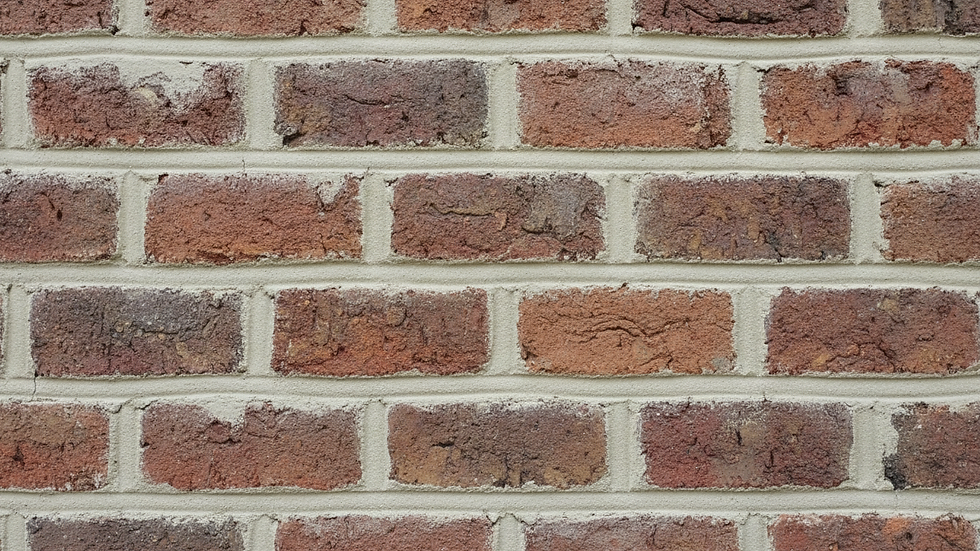
Close-up view of brick wall with fresh mortar joints being applied
Essential Tools and Materials for Repointing in Manchester
Using the right tools and materials is fundamental to achieving a professional finish. Here’s a list of essentials that I recommend for anyone undertaking repointing work:
Mortar mix: For Manchester’s older properties, a lime-based mortar is often best. For newer builds, a cement-lime mix may be appropriate.
Pointing trowel: A small, narrow trowel designed for precision work in mortar joints.
Chisels and hammers: For carefully removing old mortar without damaging bricks or stones.
Wire brushes: To clean out joints after mortar removal.
Mortar board: To hold and mix mortar conveniently.
Water spray bottle: To dampen bricks before applying mortar, improving adhesion.
Joint raker or grinder: Used cautiously to remove mortar to the correct depth.
When selecting mortar, consider the colour and texture to match the existing mortar as closely as possible. This attention to detail preserves the building’s original look and adds to its value.
What time of year is best for repointing?
Timing your repointing project can significantly affect the outcome. In Manchester, the best time to repoint is during the warmer, drier months, typically late spring through early autumn. This period offers several advantages:
Optimal curing conditions: Mortar needs to cure slowly and evenly. Cold or wet weather can prevent proper setting, leading to weak joints.
Reduced risk of frost damage: Mortar applied in freezing conditions can crack or fail.
Better working conditions: Dry weather makes the process easier and safer.
Avoid repointing during the winter or in heavy rain. If you must work in less ideal conditions, take extra precautions such as covering the work area and using additives designed for cold weather.

Eye-level view of a brick wall under repair on a dry sunny day
Step-by-Step Guide to Repointing Your Property
To ensure a successful repointing job, follow these practical steps:
Inspect the masonry: Look for crumbling mortar, cracks, and signs of water damage.
Test the mortar type: Identify whether the existing mortar is lime-based or cement-based.
Prepare the area: Protect nearby surfaces and dampen bricks to prevent rapid drying.
Remove old mortar: Use hand tools to carefully clear out damaged mortar to the correct depth.
Clean the joints: Brush out dust and debris to ensure good adhesion.
Mix the mortar: Follow manufacturer instructions or traditional recipes for lime mortar.
Apply the mortar: Use a pointing trowel to press mortar firmly into joints in layers.
Shape the joints: Finish with the appropriate joint profile to match the original.
Cure the mortar: Keep the area moist for several days to allow proper curing.
10. Clean up: Remove any mortar smears from bricks and tidy the site.
By following these steps carefully, you can restore the strength and appearance of your brick or stonework, preventing further damage and enhancing your property’s value.
Common Mistakes to Avoid When Repointing
Even experienced DIYers and professionals can make errors that compromise repointing quality. Here are some pitfalls to watch out for:
Using the wrong mortar type: Cement mortar on older bricks can cause spalling and damage.
Removing mortar too deeply or aggressively: This can weaken the masonry.
Applying mortar to dry bricks: This causes rapid drying and poor bonding.
Ignoring weather conditions: Mortar applied in rain or frost will not set properly.
Rushing the curing process: Mortar needs time and moisture to harden correctly.
Avoiding these mistakes will save you time, money, and frustration, ensuring your repointing work lasts for years.
Why Professional Repointing Matters in Manchester
While some may consider repointing a straightforward DIY task, the reality is that it requires skill, knowledge, and experience to do well. Professional repointing specialists understand the unique challenges posed by Manchester’s climate and building styles. They can:
Accurately assess the condition of your masonry.
Select and mix the correct mortar.
Use appropriate tools and techniques.
Ensure the work complies with local building regulations.
Provide guarantees for their craftsmanship.
Investing in professional repointing can prevent costly repairs down the line and enhance your property’s curb appeal and market value. If you want to learn more about expert services, consider exploring repointing manchester for trusted specialists in the area.
By following these best practices, you can protect your property from the damaging effects of weather and time. Repointing is a vital part of building maintenance that preserves both the beauty and strength of your home or investment. Whether you choose to tackle the job yourself or hire a professional, understanding the process and timing will help you achieve the best results.


Comments